
Whoa! That first moment felt like a lightbulb.
I was knee-deep in DeFi and my brain was fuzzy from switching chains.
Switching networks, approving random token spenders, and watching gas vanish—ugh.
But then I tried something that changed my pace and my trust, and it stuck with me.
Seriously? Yes.
A multi-chain wallet that simulates transactions before you sign them can save you real headaches.
I remember sending a trade that looked fine, though actually the route had a hidden slippage trap—very very costly.
My instinct said somethin’ was off, but I shrugged it off at first.
That shrug cost a chunk of ETH (lesson learned, bleh).
Initially I thought a wallet extension was just an interface for keys, but then realized it can be a smart guard.
On one hand a wallet must be lightweight and fast; on the other hand it should act like a careful gatekeeper, checking trades and calls for you.
So I started testing wallets by how well they simulated and explained transactions, rather than by UX or color schemes.
I’ll be honest—I geek out over the nitty-gritty of RPC responses and call traces.
And when a wallet shows you the internal token flow, that gives you an edge most users don’t get.
Here’s the thing.
Transaction simulation isn’t just about estimating gas.
It’s about replaying the call graph, spotting token approvals, and catching reentrancy-like behavior before you hit send.
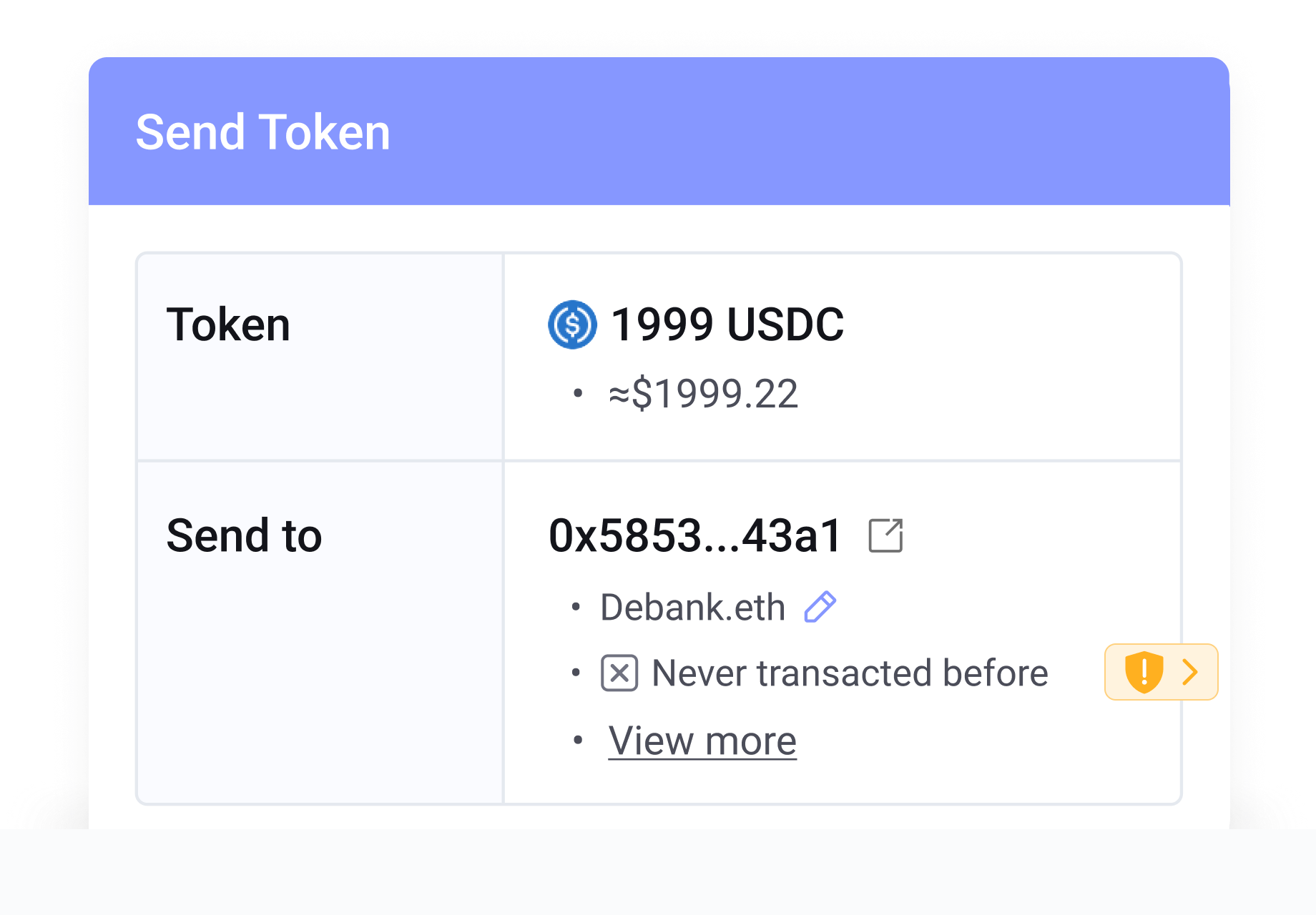
When a wallet shows you which contract will receive tokens and how much, you avoid approving an infinite allowance to a rug.
(oh, and by the way… this kind of visibility reduces social-engineering risk too.)
My workflow changed slowly, not overnight.
I started running a quick sim first, then checking the trace, then approving if everything looked sane.
That extra twenty seconds saved me from one sloppy swap and two suspicious approvals.
So yeah—I’m biased, but having that simulation step feels like a safety belt.
It also helps when you’re bouncing across chains and bridging assets, because the simulation shows reverts and slippage traps in advance.
Where a good multi-chain extension wins
Okay, so check this out—if you’re serious about moving funds across EVM chains without sweating, you want an extension that explains, simulates, and isolates.
rabby wallet does this by letting you preview internal transfers and contract calls, which matters more than flashy themes.
It also supports multiple accounts and hardware wallets, so you can keep cold key security and still get the UX comforts of an extension.
On top of that, a built-in permission manager (revoking allowances fast) changes your threat model.
If you treat approvals like kitchen knives, simulation is your inspection before you hand someone one.
Hmm… you might wonder how simulations work under the hood.
Most good ones replay the tx against a node or a forked state, then report what would happen, including logs and internal calls.
That replay catches reverted calls, unexpected token transfers, and MEV sandwich vectors in many cases, though not all.
Actually, wait—let me rephrase that: a simulation reduces uncertainty, but it doesn’t make you invincible.
On-chain race conditions and frontrunning still exist, but seeing the call trace gives you context to make an informed decision.
Security wise, a wallet that isolates extension permissions is a must.
Don’t give every site blanket access to your accounts.
Grant per-site permissions and keep an eye on active sessions, because attackers often piggyback on lax permission models.
Also, connecting hardware wallets through the extension means you get human confirmation for each signature, and that human check prevents many auto-approval scams.
That interplay between UX convenience and hardware-backed verification is where I place my bets.
On the multi-chain front you also want sane defaults.
Auto-switching network prompts are fine, but auto-signing is not.
A wallet should warn you before switching to networks where gas token nuances bite you (I’m looking at you, wrapped tokens).
And when bridges are in play, the simulation should show both sides: the lock on source and the mint or release on destination, otherwise you miss counterparty risk.
These little details stack up; they feel small until they cost you real value.
Common questions users ask
Can a simulation fully protect me from scams?
Nope. It reduces the attack surface by exposing hidden transfers and reverts, though it cannot replay off-chain social-engineering or future MEV manipulations perfectly.
Use simulations as one tool among many: hardware wallets, allowance hygiene, verified contracts, and cautious UX habits.
Does simulation slow down signing?
Sometimes there is a small delay while the wallet queries a node or forks state, but the milliseconds are worth the insight.
If speed is your only priority, then you’ll accept more risk—I’m not judging, but most pros choose safety over reckless haste.